Egyptian Red Onions: Commercial Uses and Export Opportunities in Global Markets
Published by
Warda & Toba
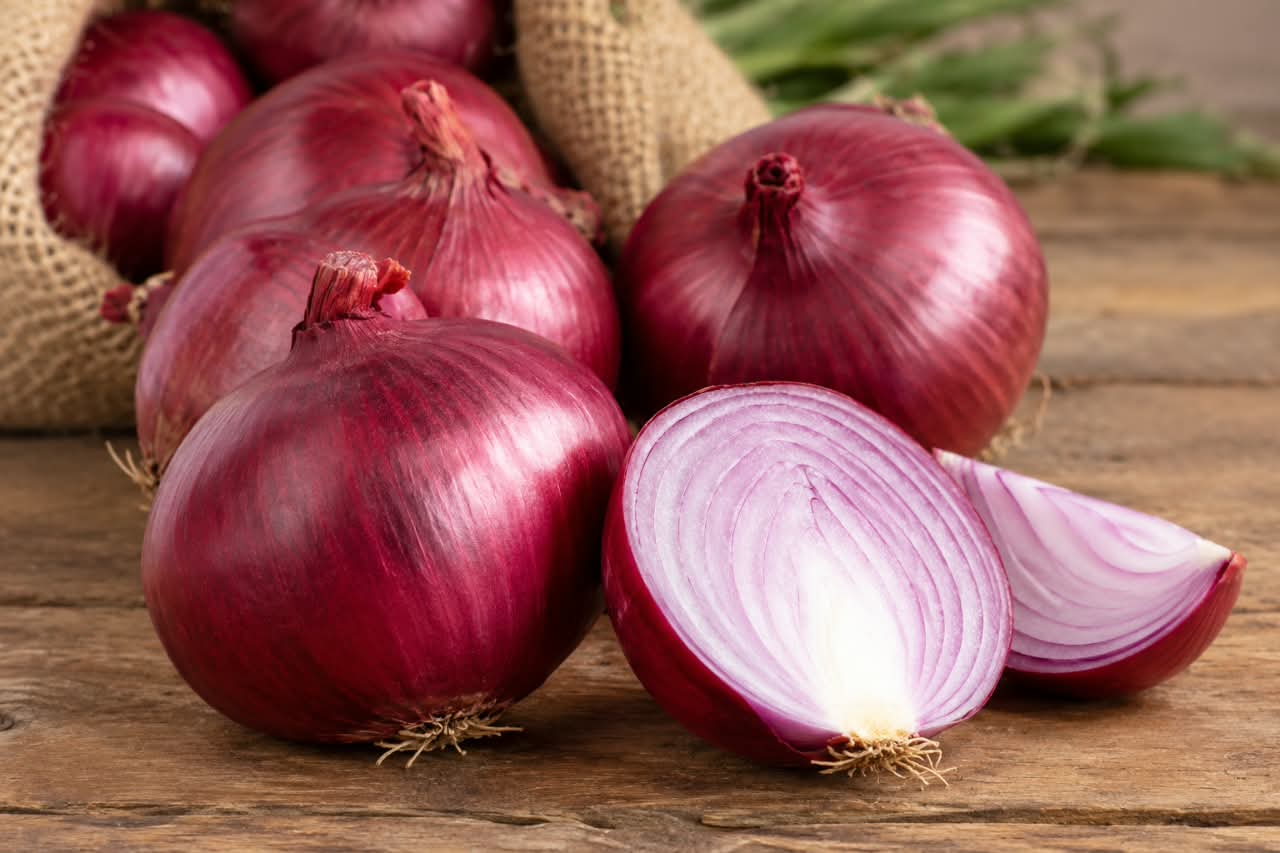
Egyptian Red Onions: Commercial Uses and Export Opportunities in Global Markets Red onions are an important agricultural product in the fresh vegetable trade. They are widely used in home cooking, restaurants, and food manufacturing, creating opportunities to serve different customer segments, from wholesalers and distributors to food-processing and packing businesses. For international buyers interested in Egyptian agricultural products, understanding the applications of red onions and the requirements of target markets can help define suitable specifications, assess purchasing opportunities, and establish clearer relationships with suppliers. 1. Red Onions in the Fresh Produce Market Red onions are sold through wholesale vegetable markets, retail stores, and fresh produce distribution channels. Consumers use them in everyday meals and a wide variety of traditional and contemporary recipes. External appearance, skin condition, bulb size, and physical soundness influence how onions are evaluated in commercial markets. Buyers commonly look for reasonably uniform, sound bulbs without unacceptable visible defects, according to the agreed specifications. Required sizes and presentation formats vary between markets, making it important to understand customer requirements before confirming an order. 2. Applications in Restaurants and Hotels Red onions are used in salads, sandwiches, grilled dishes, and cooked meals. They are also common in foodservice operations that rely on fresh vegetables for daily preparation. Restaurants, hotels, and catering businesses need products suited to their consumption volumes and preparation processes. Ease of sorting, storage, and handling may also influence purchasing decisions. Their requirements can differ from those of retail stores. Commercial buyers may place particular emphasis on supply consistency, size uniformity, available quantities, and packaging suitable for professional kitchens. 3. Red Onions in Food Manufacturing Red onions are not limited to the fresh produce market. Depending on the raw material characteristics and the final product, they can also be used in various food-processing applications. Potential applications include sauces, prepared vegetables, and certain cooked or preserved food products. Onions may also be incorporated into prepared vegetable mixes for commercial kitchens and food manufacturers. Processing requirements differ from those of the fresh market. Manufacturers may consider bulb size, usable yield, flavour characteristics, and compatibility with their production lines. The intended application should therefore be defined before the product specifications are agreed upon. 4. What Makes Red Onions Useful in Food Applications? Red onions are recognised by their reddish-purple outer skin and can be used raw in salads and selected dishes or cooked in a variety of recipes. The choice between red onions and other onion varieties depends on the recipe, desired sensory characteristics, and consumer preferences in the destination market. For importers and distributors, understanding local demand helps identify the right product for the intended customer segment rather than relying on price alone. 5. Selecting Egyptian Red Onions for Export When purchasing red onions for distribution or processing, buyers should discuss several product specifications with their suppliers before confirming an order. Important considerations include: - Size and grade: Define the required size range and acceptable uniformity. - Appearance and colour: Check skin characteristics and colour against the agreed variety and specifications. - Physical condition: Exclude bulbs showing unacceptable signs of rot or damage. - Drying and preparation: Confirm that the product is suitably prepared for packing, storage, and transportation. - Packaging: Agree on packaging materials, pack weights, and how the onions will be arranged. - Destination requirements: Check applicable import, phytosanitary, and labelling regulations. Specifications may vary according to variety, season, destination market, and intended application. Written agreements help reduce misunderstandings between buyers and suppliers. 6. Packaging and Storage to Preserve Onion Quality Post-harvest handling influences the condition of onions when they reach the buyer. Good practices begin with appropriate sorting and preparation according to the order requirements, followed by the selection of packaging suitable for handling and transportation. Onions intended for storage require appropriate conditions in terms of ventilation, humidity, and temperature, depending on the onion type and storage period. Excess moisture and conditions that encourage decay or skin deterioration should be avoided. Before shipment, packaging should be checked for cleanliness and integrity, and the transportation method should be suitable for the product, with attention to ventilation and expected transit conditions. 7. Commercial Opportunities for Importers and Distributors Egyptian red onions can be marketed through different commercial channels, including wholesale markets, retail stores, restaurants, and food-processing businesses, depending on product specifications and market requirements. To assess these opportunities, importers should study demand in the destination country, identify their target customers, select appropriate sizes and packaging, and review applicable regulatory requirements before purchasing. Clear agreements on quantities, specifications, delivery schedules, and shipping terms also support more organised business relationships between exporters and importers. Source Egyptian Red Onions with Touba Egypt – Elwarda Red onion trading offers opportunities to serve different buyers across the fresh produce and food sectors, according to market requirements and product specifications. Touba Egypt – Elwarda welcomes enquiries from importers, wholesalers, and food-sector businesses interested in Egyptian red onions. Buyers can discuss required quantities, size specifications, packaging preferences, destination markets, and shipping terms. Defining market needs and product specifications from the outset helps buyers identify suitable products and facilitates communication between suppliers and customers. Touba Egypt – Elwarda | Egyptian Agricultural Products for Global Markets