Article
Egyptian Medjool Dates: How Importers Choose the Right Grade and Size for Their Markets
Medjool dates are internationally recognised for their relatively large size, soft texture, and sweet flavour. These characteristics make them an attractive product across several date-trading channels, from premium retail stores to food distributors and wholesalers.
However, selecting Medjool dates for import involves more than appearance alone. Fruit size, commercial grade, physical condition, texture, and packaging all influence whether a product is suitable for its intended market.
This article outlines key considerations for importers and distributors evaluating Egyptian Medjool dates before purchasing.
1. Understanding Medjool Date Sizes
Size is an important factor when defining Medjool date specifications. The date trade uses classifications based on fruit dimensions or weight, and the terminology and thresholds may vary between suppliers.
Buyers should clearly define their required size and agree with the supplier on the classification method, whether based on individual fruit weight, the number of dates per unit of weight, or another commercial specification.
Some buyers may prefer larger dates for premium retail presentations, while other sales channels may focus on medium-sized fruit for everyday consumption.
Rather than relying on a general description such as “large size,” importers should request written specifications and, where appropriate, a representative sample.
2. What Is the Difference Between Commercial Grades?
Medjool date grading can vary according to supplier standards, buyer requirements, and destination-market expectations. Assessment commonly considers appearance, physical integrity, uniformity, visible defects, and texture.
Dates with a more uniform appearance and limited visible defects may suit retail channels that place a strong emphasis on presentation. Other commercial applications may accept certain cosmetic variations within agreed limits.
Importers should not assume that every supplier uses identical grade names or definitions. The required grade, acceptable defect levels, and inspection criteria should be clearly documented in the quotation and purchase agreement.
3. Moisture, Texture, and Fruit Condition
Medjool dates can range from soft to relatively firm depending on the product, maturity, handling, and storage conditions.
Importers should evaluate texture and moisture according to the intended application. Requirements for premium retail packs may differ from those for food processing or wholesale distribution.
Moisture, temperature, and storage conditions can affect date quality throughout the supply chain. Buyers should therefore understand the supplier's recommended storage conditions and avoid unsuitable changes during storage and transportation.
Where specific market requirements apply, agreeing on delivery specifications and reviewing a sample can help ensure that the product matches the buyer's expectations.
4. Choosing Packaging for the Intended Sales Channel
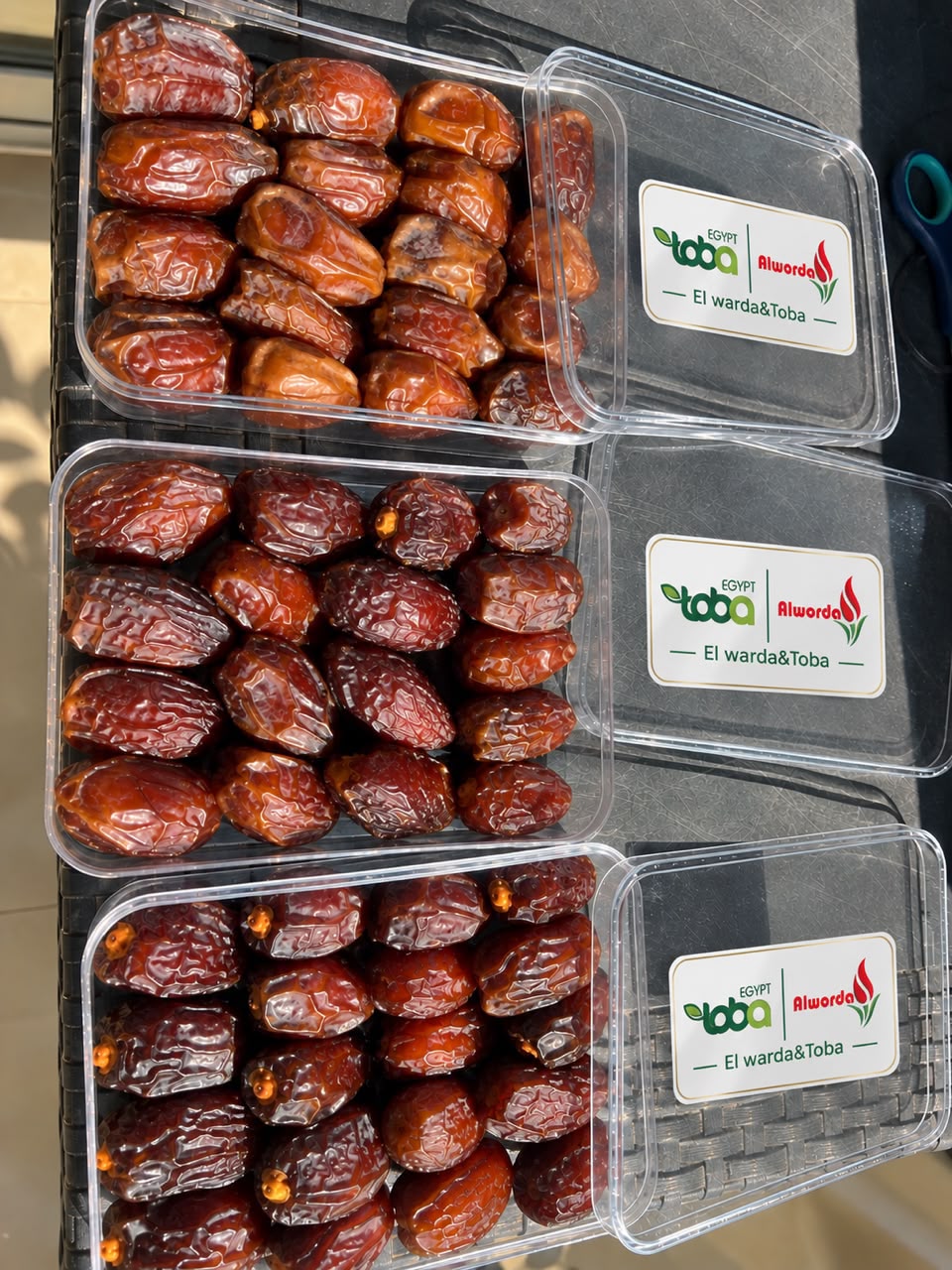
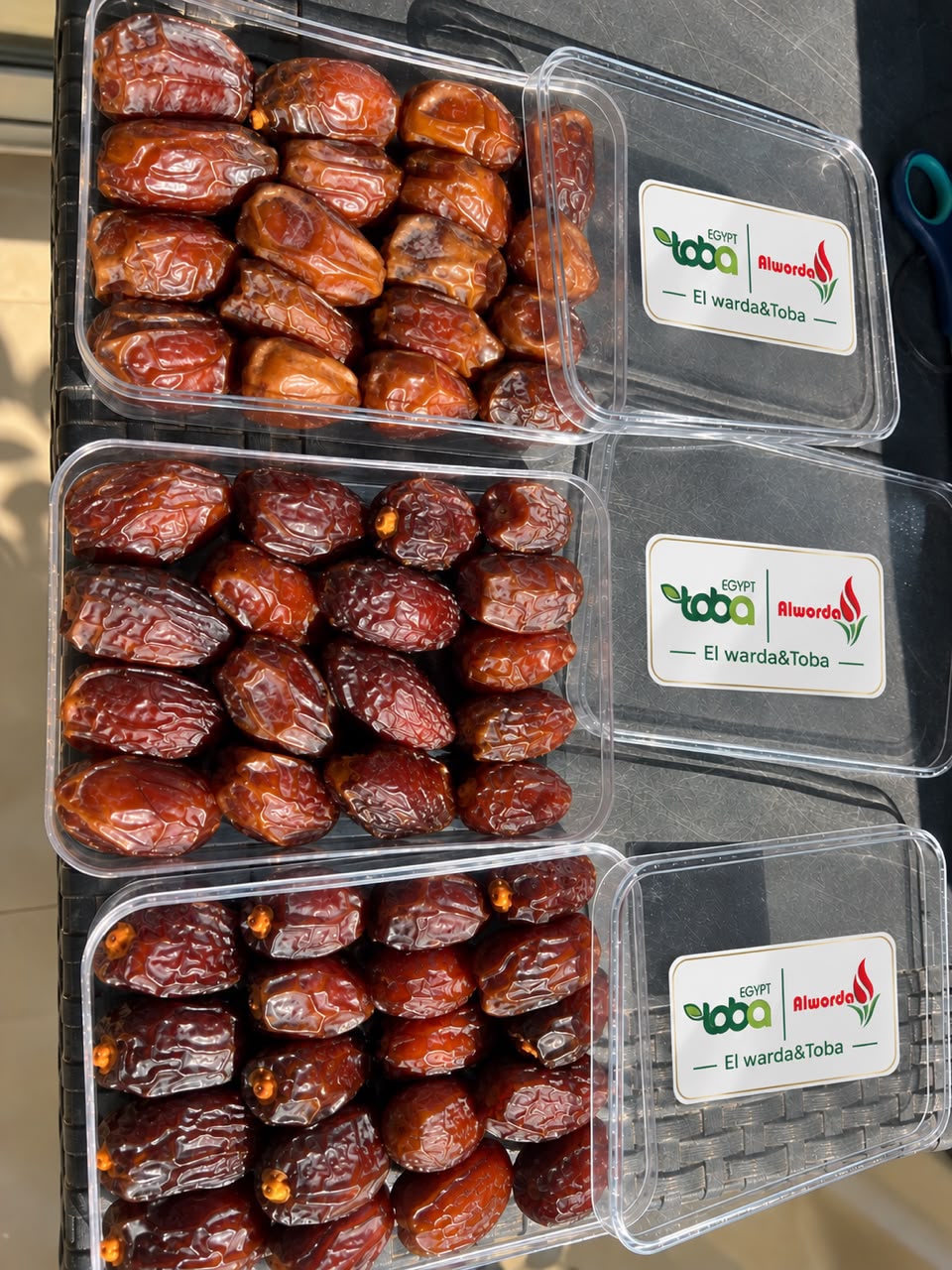
Packaging influences how Medjool dates are presented, handled, and protected. The appropriate format depends on the final customer, order volume, transportation route, and destination-market requirements.
Options to discuss with the supplier may include:
- Small packs for retail distribution.
- Larger packs for wholesalers and distributors.
- Commercial packaging for food manufacturers or repacking operations.
- Other formats that meet buyer requirements and supplier capabilities.
Packaging materials should be suitable for food contact, securely closed, and clearly labelled with net weight and the required product information.
Importers should also verify applicable requirements for labels, language, nutritional information, and country-of-origin declarations.
5. Commercial Applications of Medjool Dates
Medjool dates can be marketed through several channels, and the intended application influences the specifications buyers require.
Retail: Retailers may prioritise uniform appearance, attractive packaging, and clear product information.
Hospitality: Medjool dates can be served as part of hospitality offerings, date assortments, and snack selections.
Food distribution: Distributors may focus on volume availability, consistent specifications, and convenient storage and redistribution.
Food manufacturing: Dates may be used in products such as date bars, snacks, and fillings, depending on manufacturing requirements and raw-material specifications.
Identifying the sales channel before purchasing helps buyers select suitable sizes, grades, and packaging instead of paying for features their target market may not need.
6. What Should Importers Check Before Confirming an Order?
Before completing a purchase, buyers should review the following points with the supplier:
- Product origin, variety, and exact product identification.
- Agreed size or weight range.
- Commercial grade and acceptable defect limits.
- Fruit condition, texture, and moisture requirements.
- Packaging type and net weight per pack.
- Available quantities and supply schedule.
- Appropriate storage and transportation conditions.
- Export documentation and food-safety requirements in the destination country.
- Agreed shipping terms, delivery arrangements, and responsibilities.
Where appropriate, sample assessment or independent inspection can help reduce differences between buyer expectations and the condition of the delivered shipment.
7. How to Select the Right Product for Your Market
There is no single specification that suits every market or customer. A retailer targeting the premium segment may have different requirements from a wholesaler or food manufacturer.
Importers should begin by identifying the destination market, target customers, appropriate price range, and intended application. They can then define the required size, grade, and packaging before comparing supplier quotations on a like-for-like basis.
This approach supports more informed purchasing decisions, better cost management, and clearer long-term business relationships.
Egyptian Medjool Dates with Touba Egypt – Elwarda
Touba Egypt – Elwarda welcomes enquiries from importers, wholesalers, and food-sector businesses interested in Egyptian Medjool dates.
Buyers can discuss their preferred size, commercial grade, packaging format, quantity, destination market, and shipping terms to assess whether the product meets their business requirements.
Clearly defined specifications before order confirmation are an important step toward a more organised supply process that aligns with market needs.
Touba Egypt – Elwarda | Egyptian Agricultural Products for Global Markets
WT
Warda & TobaOct 19, 2026