How to Preserve Egyptian White Beans Quality During Storage and Transportation
Published by
Warda & Toba
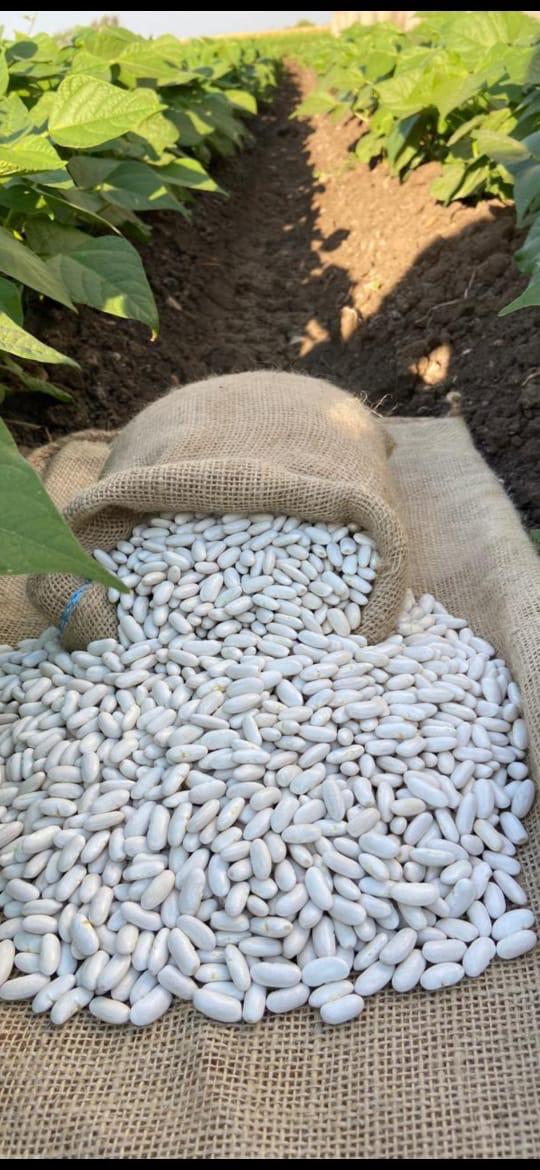
How to Preserve Egyptian White Beans Quality During Storage and Transportation Egyptian white beans are an important agricultural commodity for international importers, wholesalers, and food distributors. Maintaining their quality requires more than selecting suitable raw materials. Proper handling after harvest, appropriate storage conditions, protective packaging, and careful transportation all contribute to preserving the product until it reaches its destination. Understanding these factors helps international buyers make informed purchasing decisions and reduce the risk of quality deterioration throughout the supply chain. 1. The Importance of Moisture Control Moisture is one of the most important factors to consider when storing dried white beans. Excess moisture or direct contact with water can damage product quality and increase the risk of mould growth under suitable conditions. Beans should therefore be stored in a dry, well-ventilated environment. Bags should be kept away from damp floors and walls where moisture may accumulate. Storage areas should also be inspected regularly for water leaks, condensation, and other conditions that could affect the product. 2. Choosing Suitable Storage Conditions A clean and well-organized storage environment helps preserve the natural characteristics of white beans while reducing contamination risks. Good storage practices include maintaining appropriate ventilation, keeping the warehouse clean, limiting exposure to excessive heat and moisture, and implementing effective pest-control measures. White beans should also be kept away from chemicals and strongly scented materials that could compromise product safety or affect its odour. A stock management system that records receipt, packing, and shipment dates can improve traceability and support appropriate inventory rotation. 3. The Role of Packaging in Product Protection Suitable packaging plays an important role in protecting white beans during handling, storage, and transportation. Packaging materials should be selected according to the product requirements, destination market, and expected transportation conditions. Options may include woven polypropylene bags or other food-appropriate packaging agreed upon by the exporter and importer. Bags should be checked for holes, tears, and other damage. Packaging should be properly closed, and the agreed product information and net weight should be clearly identified. However, good packaging alone cannot eliminate every risk. It must be combined with appropriate storage and transportation practices. 4. Protecting White Beans During Sea Freight Sea freight is an important stage in international trade involving Egyptian white beans, particularly when commercial quantities are shipped to distant markets. Before loading, the container should be checked to ensure that it is clean, dry, free from undesirable odours, and free from visible signs of water ingress or damage that could affect the cargo. Bags should be loaded and arranged to reduce the risk of tearing, falling, or excessive pressure. Importers and exporters should also consider condensation risks inside containers caused by temperature and humidity changes during transit. Protective measures should be selected according to the cargo, shipping route, and expected climatic conditions. 5. Inspection Before Shipment and Upon Arrival Pre-shipment inspection helps confirm whether the product meets the specifications agreed upon by the buyer and seller. Depending on the contract, inspection may cover bean appearance, cleanliness, broken-bean levels, moisture content, and packaging condition. Upon arrival, the importer should inspect the container and packaging for moisture, damage, or signs of contamination. If a problem is identified, photographs and relevant records should be retained, and the appropriate parties should be notified in accordance with the contract. Representative sampling or independent inspection can also be arranged in advance when required by the transaction. 6. How Good Storage and Transportation Practices Benefit Importers Appropriate storage and transportation practices help reduce quality risks, improve supply-chain efficiency, and support more reliable distribution. For importers and wholesalers, agreeing in advance on product specifications, packaging, transportation conditions, inspection procedures, and documentation requirements helps reduce misunderstandings between trading partners. Maintaining clear shipment records also makes it easier to trace products and investigate any issues identified during storage or after delivery. 7. Choosing a Reliable Egyptian White Beans Supplier When sourcing Egyptian white beans, price should not be the only consideration. Buyers should also assess the clarity of product specifications, communication, packaging suitability, and the supplier's ability to coordinate shipping arrangements and documentation according to the transaction requirements. Discussing these details before confirming an order helps establish a clearer and more dependable business relationship between exporter and importer. Source Egyptian White Beans for International Markets Touba Egypt – Elwarda serves buyers interested in Egyptian agricultural products, including white beans. If you are looking for an Egyptian white beans supplier, contact the company to discuss your required quantity, product specifications, packaging options, destination, and suitable shipping terms. Attention to detail from sourcing through delivery is an important step toward more efficient and reliable agricultural trade. Touba Egypt – Elwarda | Egyptian Agricultural Products for International Markets